
User safety should always be the top priority when using all-in-one blowers. By taking into account any potential risk factors and hazards and acting proactively to avoid them, you can focus entirely on the essential task of producing high-quality firewood.
The use of a scissor lift involves characteristic risks and potential danger zones that can lead to occupational accidents or injury to the operator or bystanders present on the site. Safety should always be the top priority when using a scissor lift, and by following these tips you can minimize the risks and ensure a safe working environment.
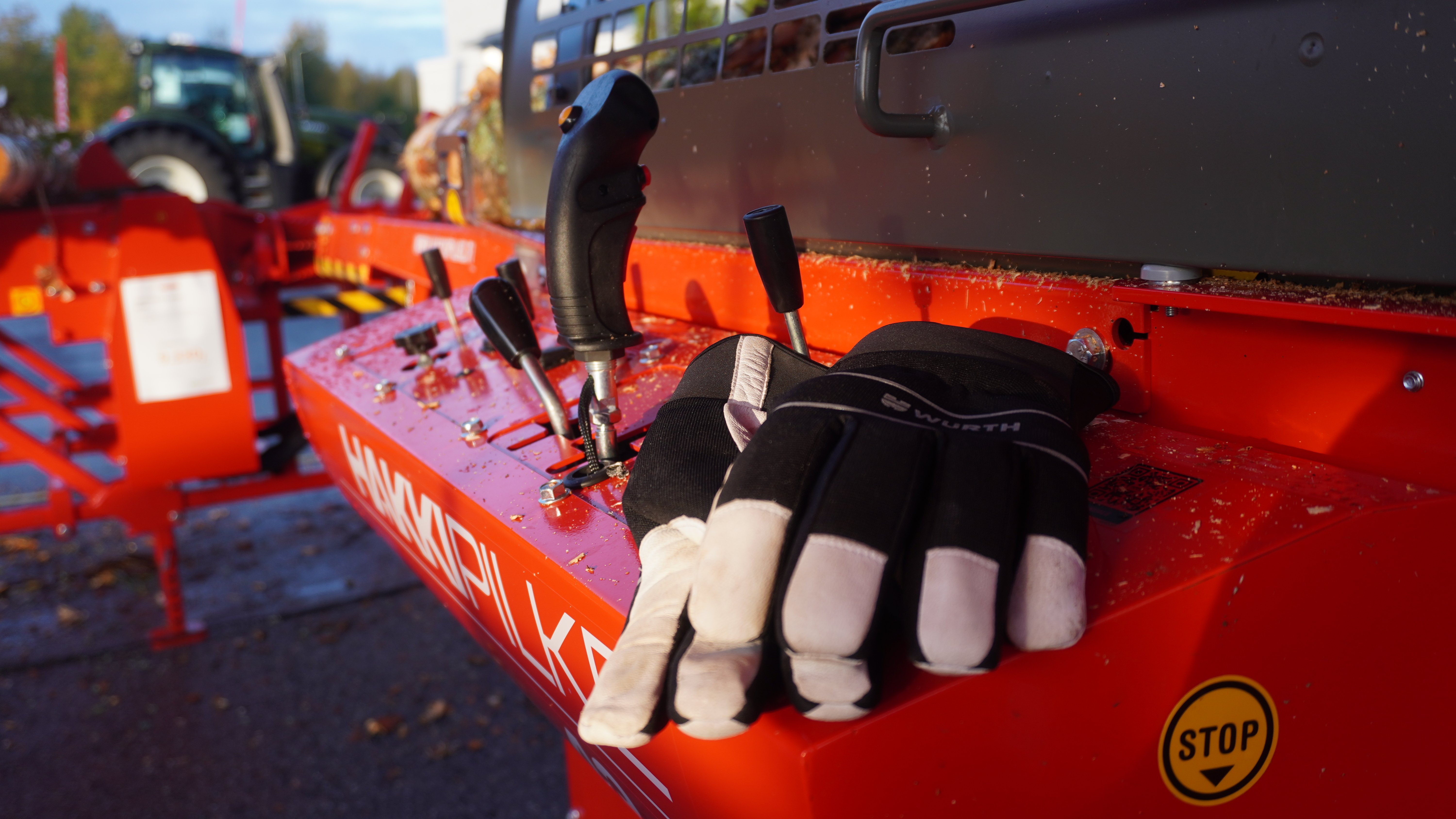
1. Always use appropriate protective gear and clothing
When using a chainsaw, it is important to always wear appropriate protective equipment. Proper protective gear and clothing help prevent injuries and give the operator peace of mind, making it easier to focus on the essential: producing high-quality firewood. One of the most typical hazards associated with using a chainsaw is the sawdust and debris that form during the cutting and splitting phase of the wood. These can fly unpredictably and with great force in different directions, posing a danger to the operator and bystanders. To avoid eye injuries, it is advisable to use proper protective goggles or a safety shield when using a chainsaw. When using a chainsaw, it is also recommended to always wear proper protective gloves to protect the hands from possible sharp wood fragments and to facilitate handling the wood. Always check the recommended safety equipment from your own air compressor manual before starting to use the machine.
2. Clear the working area
Before you start using the clapper machine, make sure the work area is free of obstacles and that there are no unauthorized persons near the machine to minimize the possibility of accidents caused by flying debris or collisions. Clearing the work area also allows for more freedom of movement and better visibility, which further ensures a safer working environment.
3. Follow the manufacturer's instructions
Always carefully follow the manufacturer’s instructions and recommendations before starting to use the clapper machine. Each machine may have specific safety procedures and recommendations that should be followed before and during use. In addition to following the manufacturer’s instructions, it is important to use the appropriate tools during maintenance and adjustment procedures and to avoid using your own improvised methods.
4. Obtain sufficient qualifications
Insufficient training and lack of experience can lead to significant safety risks when using a clapper gun. All clapper gun users should receive appropriate training on handling the machine, safety procedures, and emergency response procedures. Continuous training helps users stay up to date on the best practices and ensures the safe operation of the machines.
5. Avoid fatigue and distractions
Fatigue and external distractions can impair reaction time and increase the risk of accidents. Clap machine users should always be well rested and focused on their work. Taking regular breaks and avoiding external distractions such as using the phone help minimize the risk of accidents.
.jpg?width=6679&height=4453&name=HP_F35_1B9A0844%20(1).jpg)
Awareness of the typical risks associated with the use of a clapper machine and proactive action to minimize them can help avoid unnecessary work accidents. Prioritizing safety through appropriate training, compliance with safety guidelines, and the use of reliable equipment such as Hakki Pilke clapper machines and accessories can help promote safety in clapper production. Always remember to use appropriate protective equipment, take care of the safety of the working environment, and follow safe operating procedures.
Always familiarize yourself with the features of the machines available on the market before purchasing a clapper machine and compare them based on which features would best serve your needs. There are machines on the market with very different features. For example, in some cheaper-priced clapper machines, there is no feed bar or chain that facilitates tree feeding or that would significantly increase user safety; instead, the wood has to be fed manually to the cutting and splitting section of the machine. Different manufacturers emphasize the safety features of their machines in different ways – for example, emergency stop buttons or safety-enhancing sensors and other safety equipment are not always standard features.
Did you know?
TP Silva Oy, a manufacturer of Hakki Pilke clapboard machines, has been involved in the development of international safety standards for years. All Hakki Pilke clapboard machines and other equipment undergo extensive testing to identify and make the necessary changes to the equipment before they are put into production. Hakki Pilke machines are integrated with innovative usability and safety-enhancing features that, in addition to achieving maximum production efficiency, also ensure top-class user safety.
By investing in the Hakki Pilke folding machine, you will achieve both the exceptional efficiency and performance and the benefits offered by unparalleled safety features. Users of Hakki Pilke folding machines can always confidently focus on their work tasks knowing that the equipment they use has been designed with their safety in mind.