
We at Hakki Pilke want to bear our own responsibility for the climate and the environment. We want to be involved in increasing the use of renewable energy sources and support people in the sustainable use of firewood. In this blog, we want to offer perspectives on the responsible production of firewood and the development of sustainable forestry. In addition, we will talk more about what the responsible use of firewood means.
When forests are logged responsibly and firewood is used correctly, firewood is a responsible and renewable energy source.
Photosynthesis is a chemical reaction. In it, as a tree grows, it converts carbon dioxide and water into oxygen, which the tree then releases into the air. If the tree is burned, it in turn consumes oxygen and releases the carbon dioxide it previously used back into the air. The same amount of carbon dioxide is also released when a tree is allowed to die and decompose on its own.
Firewood is a popular heat source for homes. It can be used together with, for example, solar energy or some other responsible heat source to smooth out peaks in energy demand during the coldest periods of winter. Firewood is indeed part of the sustainable heat and energy production of the future.
When you choose your firewood from a responsible firewood producer and also follow responsible practices yourself, you can significantly reduce your ecological footprint. Finland is a country of forests, and here forests grow more every year than trees are cut down. The amount of wood in Finland's forests is actually growing year by year, and nowadays Over 50 percent more wood grows in Finland than 50 years ago.
Responsible firewood production
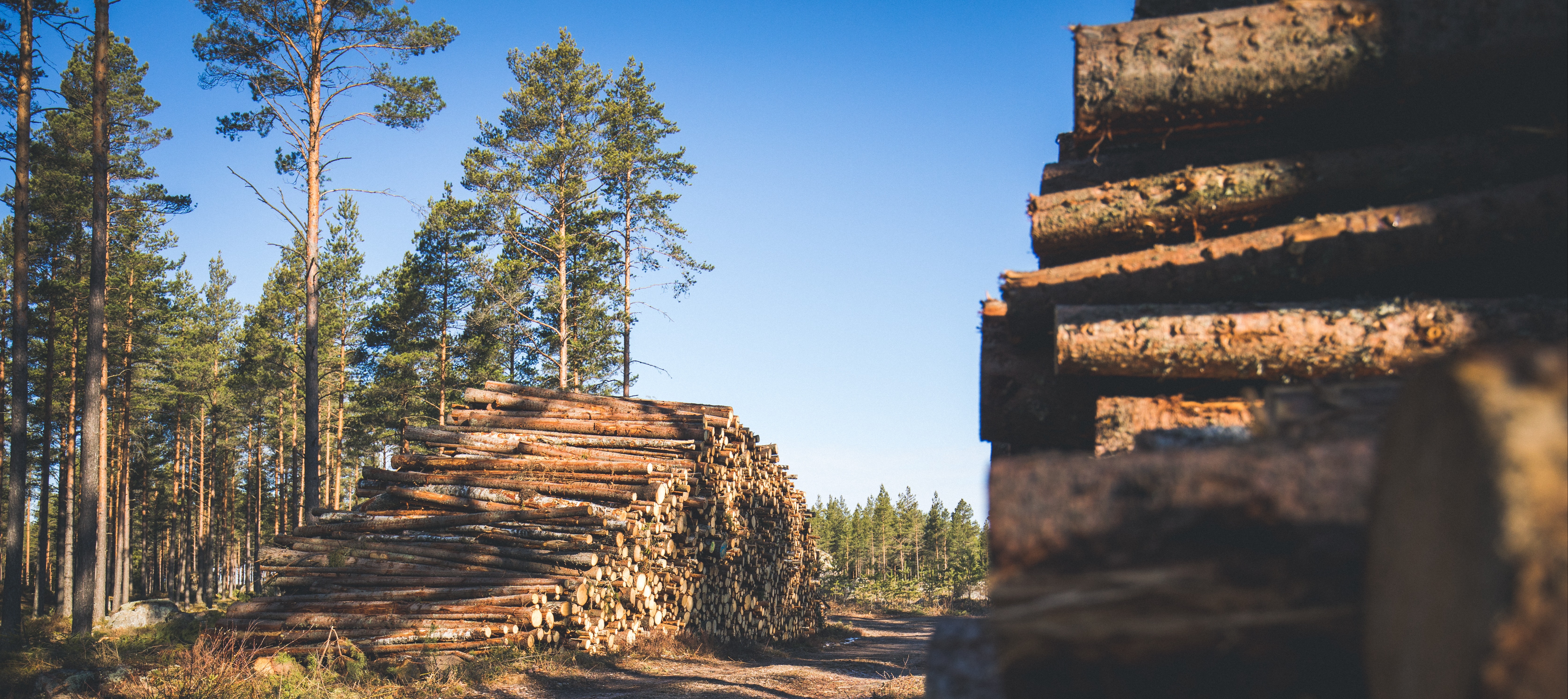
Sustainable forestry is at the heart of responsible firewood production. It is important to keep in mind that responsible forestry and responsible practices help us preserve healthy forests for current and future generations. Therefore, their importance cannot be overstated.
It is a well-known fact that all common fuels—natural gas, oil, coal, and wood—produce carbon dioxide emissions into the atmosphere. But unlike the other three energy sources mentioned above, burning wood from a responsible and renewable forest is a carbon-neutral energy source in terms of greenhouse gas generation. In other words, it does not increase the amount of emissions.
Firewood is a renewable natural resource and thus a significantly better option for the environment than fossil fuels. For example, wood heating releases the same amount of carbon dioxide into the atmosphere that the tree absorbed while growing.
As stated earlier, however, responsible forest management is key when aiming to reduce the carbon dioxide emissions released from burning wood. When attention is paid to responsible forest management, the use of firewood can be made completely climate-neutral in the long term.
Well-planned tree selection is one important aspect of the responsible and sustainable harvesting of firewood. Responsible forest management therefore includes, for example, the selective thinning of trees, the thinning of overly dense wooded areas, leaving seed trees in the forest area, and leaving some dead trees as habitats for wildlife.
For firewood, it is advisable to use, whenever possible, fallen trees, thinned wood, and trash wood, for example. Completely rotted trees cannot, of course, be used as firewood either. However, fallen trees, for example, are usually caused by storms or snow loads, and they make excellent firewood material. Also, any parts of a sawlog trunk that are not suitable for lumber are good firewood material.
Considering the size of the trees is also part of responsible production. The most responsible approach is to make firewood from fully grown trees. It is not worthwhile to use excessively small logs for making firewood, as the proportion of bark is greater in them. The diameter of the wood also has a major impact on productivity, quality, and drying.
One thing to consider regarding the sustainability of firewood is also that firewood can usually be sourced from much closer than fossil fuels such as oil. This means that transportation does not increase emissions and, on the other hand, it helps save on transportation costs.
Producing firewood locally can also be beneficial from a marketing perspective. Producing firewood nearby brings jobs to the area. Many customers appreciate this. So, when you produce firewood responsibly and locally, don't forget to mention it when marketing your firewood – these are things your customers deserve to know.
How to use firewood as responsibly as possible?
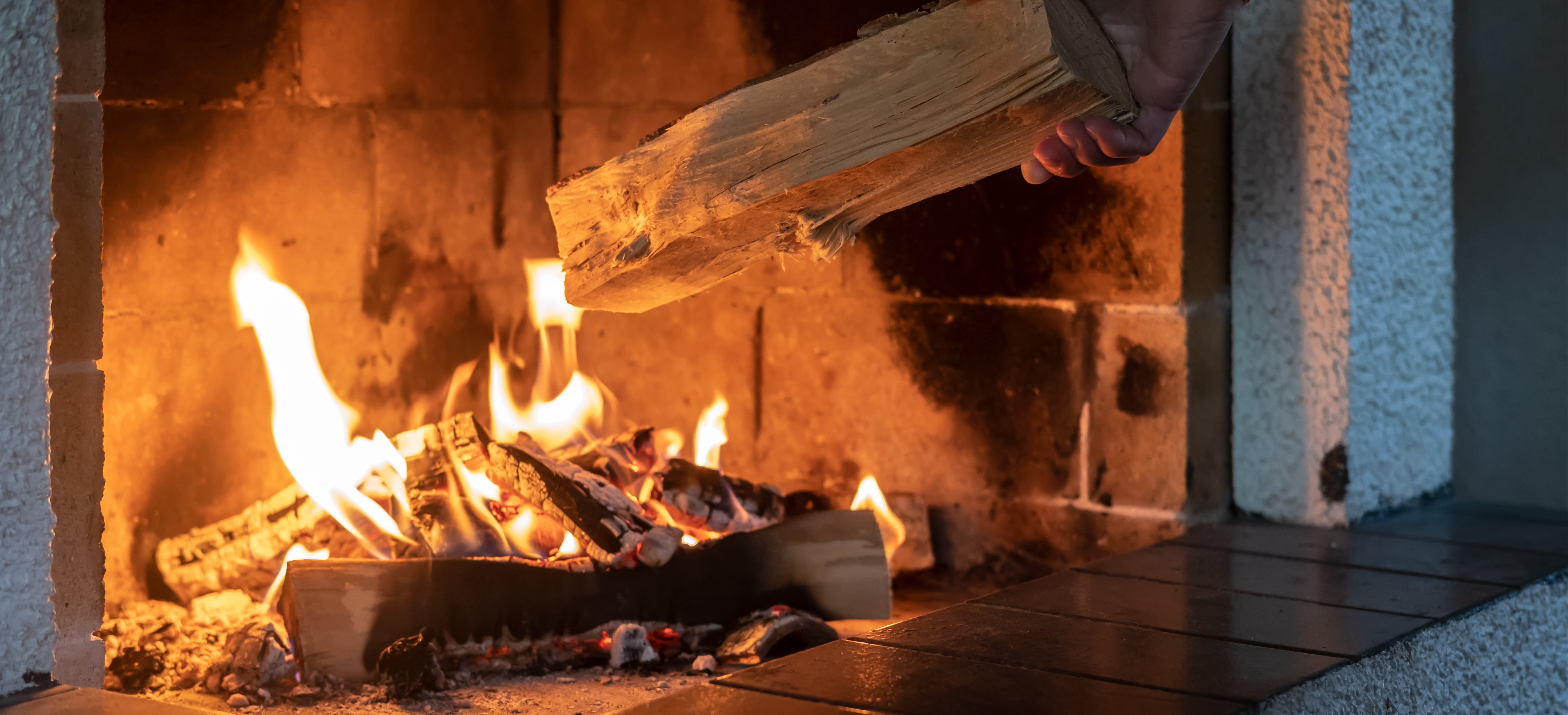
Firewood is one of the popular methods used for home heating around the world. Firewood can be used as the sole source of heat or it can be used alongside another responsible heat source to balance out peaks in heating demand. In unpleasant crisis situations, such as power outages in the middle of the worst freezing season, using firewood alongside electricity, for example, really might save the situation.
When firewood is burned correctly, it is a very responsible way to heat a home. Firewood is less polluting than many other heat sources and is therefore often an environmentally friendly alternative. In order to use firewood for the responsible heating of your home, it is worth keeping a few things in mind.
First, you’ll need firewood that has been properly processed and stored. To minimize emissions, the moisture content of the firewood should be between 15% and 20%. If you wish, you can use a moisture meter to test the moisture content of the firewood before it is delivered to you or before you start using it.
To keep your firewood as dry as possible, it is best to store it above the ground, protect it from rain, and ensure that air circulates freely around the sides of the wood. You can read more about properly drying firewood in our previous blog post.
Always remember to use firewood that is best suited for heating and produces a high amount of heat. The calorific value of softwood is significantly lower than that of hardwood because its density is lower than that of hardwood. On the other hand, softwood can be used as good kindling to get the fire started efficiently.
It is important to use your own heater correctly. Your own heat source, such as a fireplace, must be properly ventilated and you must know how to use it correctly. Remember that modern fireplaces, boilers and other heat sources generally cause fewer emissions than older ones. They are also more efficient and help you save on firewood use. Follow the fireplace instructions so that combustion takes place with good efficiency. If you feel it is time to update your heat source to a newer one, contact your local supplier.
In short, it is worth choosing your firewood supplier carefully and also paying attention to the sustainability of their production. It is most sensible to burn only dry, well-stored, and untreated wood.
Additionally, you should aim to use smaller pieces of wood instead of one large log. Also, remember to always light the fire patiently and minimize the amount of smoke. If a lot of smoke is produced, it usually means that the wood is wet or the logs are stacked poorly. It is also best to always light the fire from the top, not from the bottom. When the fire is lit from the top, the firewood burns in the fireplace in a controlled manner. You capture more energy while generating fewer emissions. Top-down ignition is easy to achieve as long as the wood is dry and there is enough air available. Watch the instructional video on how to light firewood from the top here.