
Do you know which major trends are currently affecting the firewood industry? We will take a look at three of the most important current trends in the firewood industry that influence both firewood production and development, as well as end customers' purchasing decisions.
1. Customers' need for smaller firewood
From the customers' perspective, the importance of firewood quality is growing year by year. In addition, customers need and increasingly desire smaller firewood, especially when firewood is used as the primary heat source for homes. Modern fireplaces and heating equipment are also usually smaller, which is why customers want shorter and smaller-sized firewood.

When producing high-quality firewood, many different aspects must be considered. The first factor is of course sufficient amount of high-quality raw material – without it, the firewood company cannot produce quality firewood or serve its customers reliably.
It is also worth choosing the raw material carefully. Generally speaking, birch is considered the best raw material for quality firewood, and it certainly hasn't gained this reputation for no reason. When dried well, however, many other wood types also work as quite acceptable firewood, and they too have their own good qualities. For example, softwood has a lower energy content than birch, but it is exceptionally well-suited for fireplaces with doors, for instance. It does not soot the firebox and flue as much as birch wood.
Furthermore, one part of delivering quality firewood to the customer is to ensure that ready-made firewood is as debris-free as possible. Furthermore, cleaned firewood makes it easier to achieve the most consistent quality possible, and their drying is also faster. Therefore, careful cleaning of firewood both speeds up the production process and helps ensure that the firewood delivered to your customers is of the highest possible quality and consistency.
Also correctly chosen drying method helps improve quality control. The logs should have a moisture content of 15–20 % so that they burn and produce thermal energy as efficiently as possible. Traditional natural drying is often a perfectly effective method, but if you produce firewood professionally or if your customer base has very specific requirements regarding the quality and dimensions of the firewood, it may be worth investing in mechanical processing.
2. Commercialization of the firewood industry
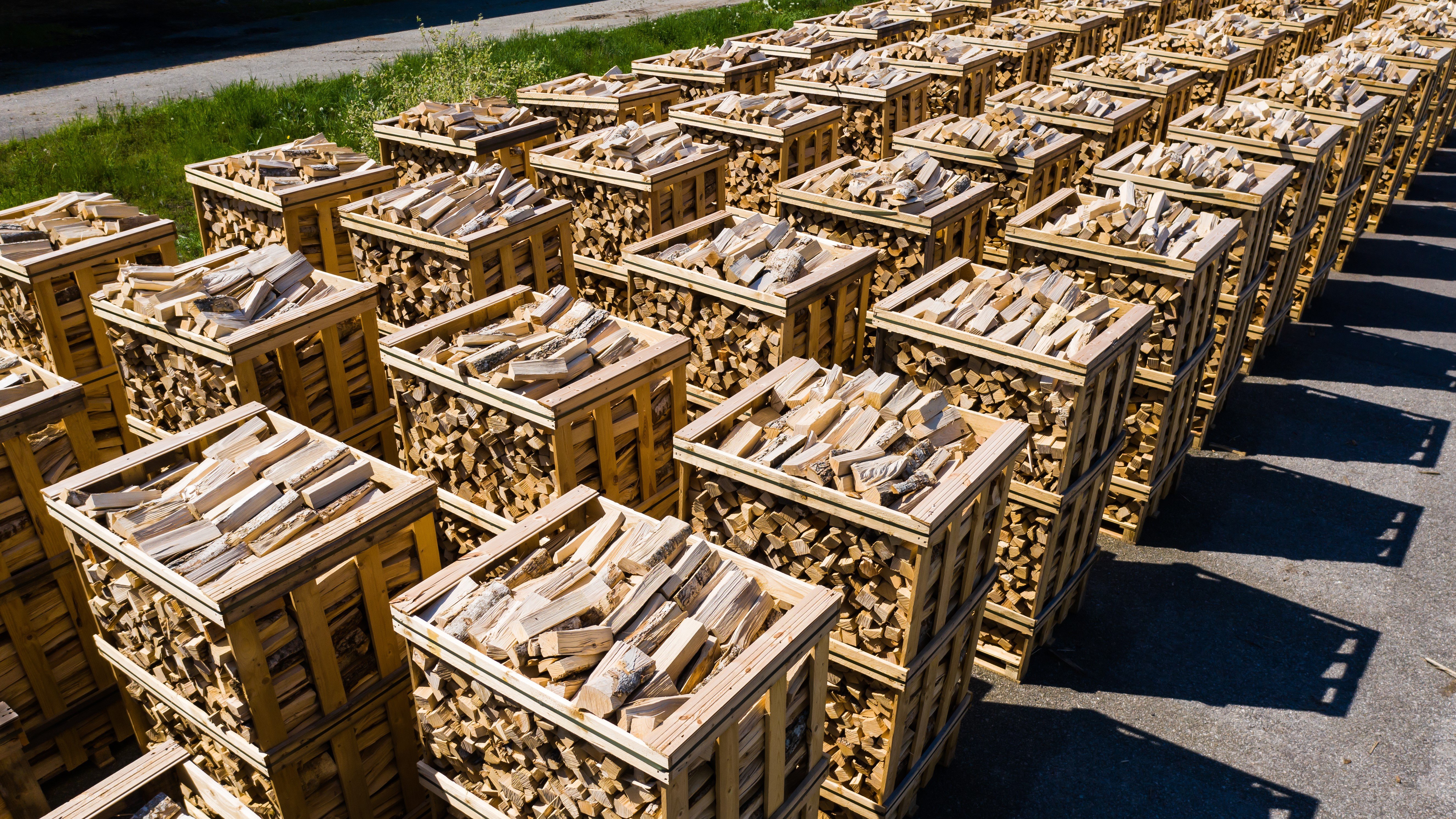
Another trend in the firewood industry is the currently increasing commercialization of the sector. Fewer and fewer people make their own firewood, meaning more and more people buy their firewood from an outside source. This has led to the commercialization of the industry and to firewood producers using larger and larger machines and producing ever-greater quantities of wood.
The commercialization of the industry and the growth of production volumes have professionalized the sector. The productivity and user comfort of firewood processors are becoming increasingly important, and for example, firewood processors from an ergonomic standpoint more and more is required.
An ergonomically designed firewood processor typically features, for example, intelligent joysticks that control multiple functions simultaneously, enabling comprehensive control of the machine and providing precision in sawing and splitting.
A simple user interface helps minimize the possibility of human error. In addition, automated functions help avoid production interruptions. Furthermore, a proper log lifter and a correctly selected log deck help improve ergonomics and streamline production.
3. Responsibility and the use of local wood
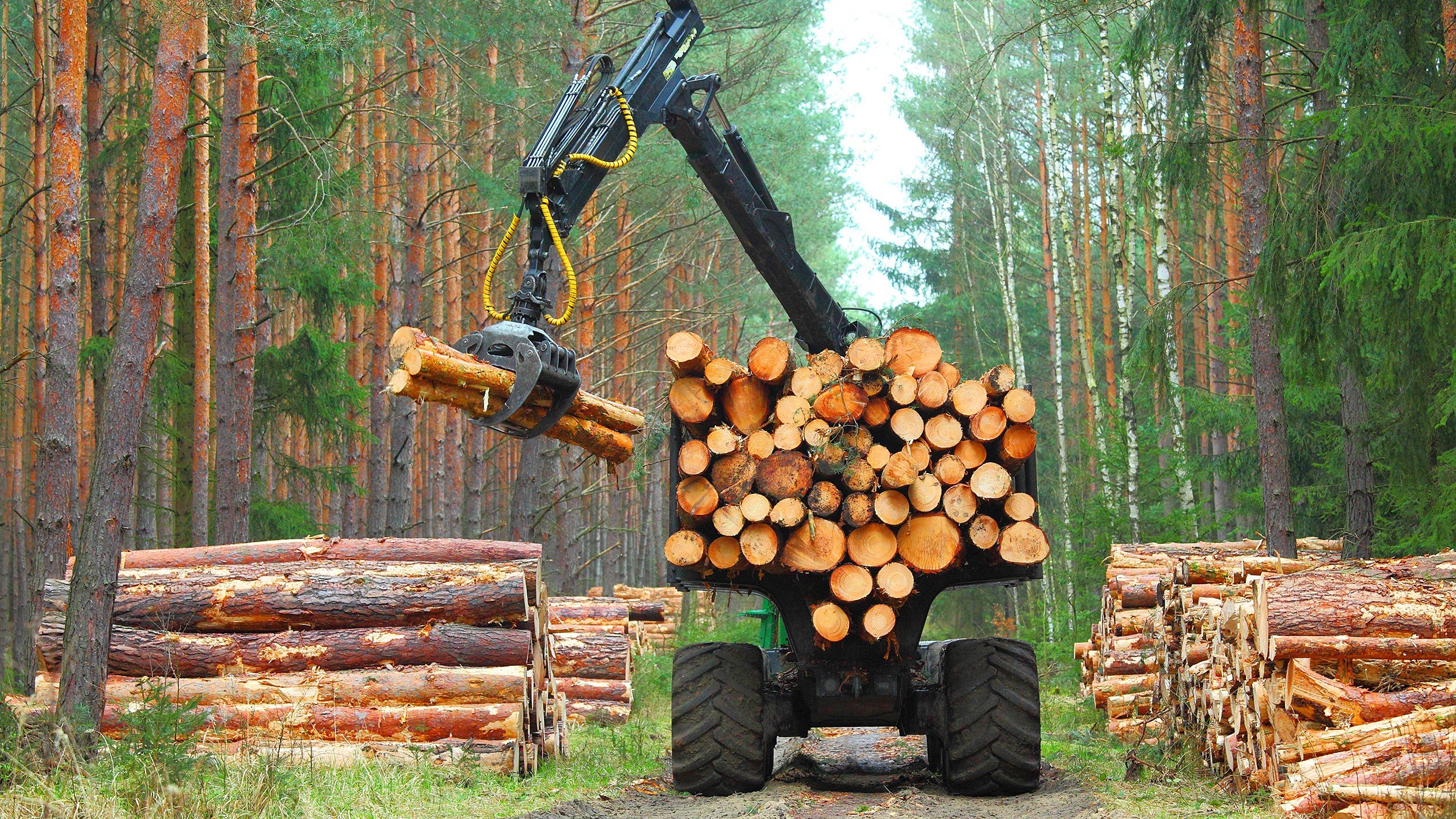
Sustainability is the buzzword in almost every industry. The firewood industry is no exception. The sustainability of firewood is a multifaceted issue. When forests are harvested responsibly and firewood is used correctly, firewood is a sustainable and renewable energy source.
The end customer can also influence the sustainability of firewood themselves by choosing clean and dry firewood. It is also worth paying attention to the efficiency of one's own heater and fireplace. Usually, more modern appliances are more efficient, meaning they also burn wood more efficiently. Lighting the fire is also something worth paying attention to. When lighting the fire from the top, less smoke is produced and the firewood burns in a controlled manner.
Regarding the sustainability of firewood, one significant factor is also where the acquired firewood originates from. One ecologically important aspect of firewood is that in most places it is possible to source it from fairly nearby. Since transportation is a significant source of emissions, where the firewood is brought from matters immensely. In addition, transportation costs can naturally be saved when choosing locally produced wood.
By choosing firewood from a responsible producer operating as close as possible and by following responsible practices yourself, everyone can significantly reduce their ecological footprint. Read more about the topic in our previous blog post What is responsibility in the firewood business?